
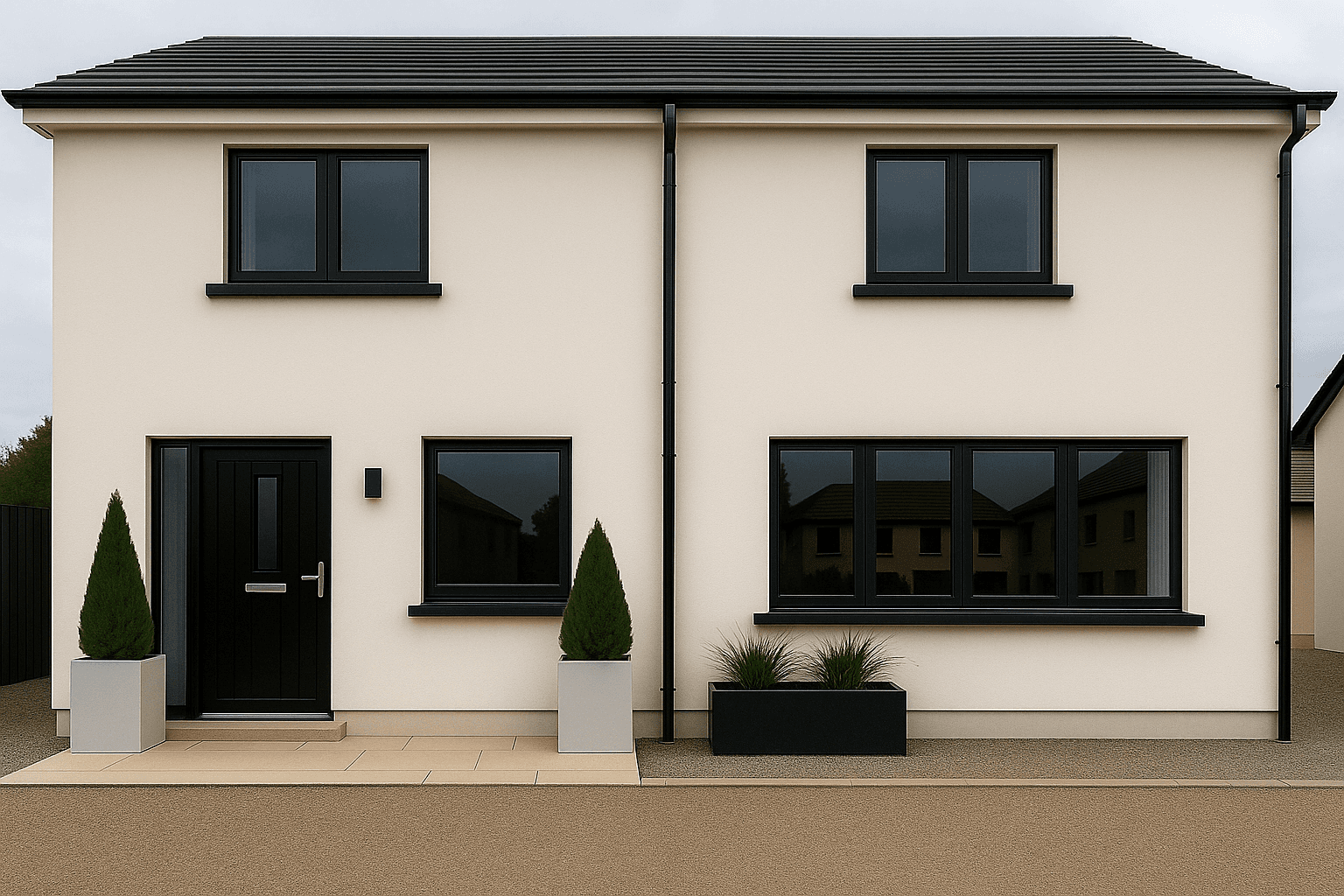
The Black Cill Question Everyone Asks
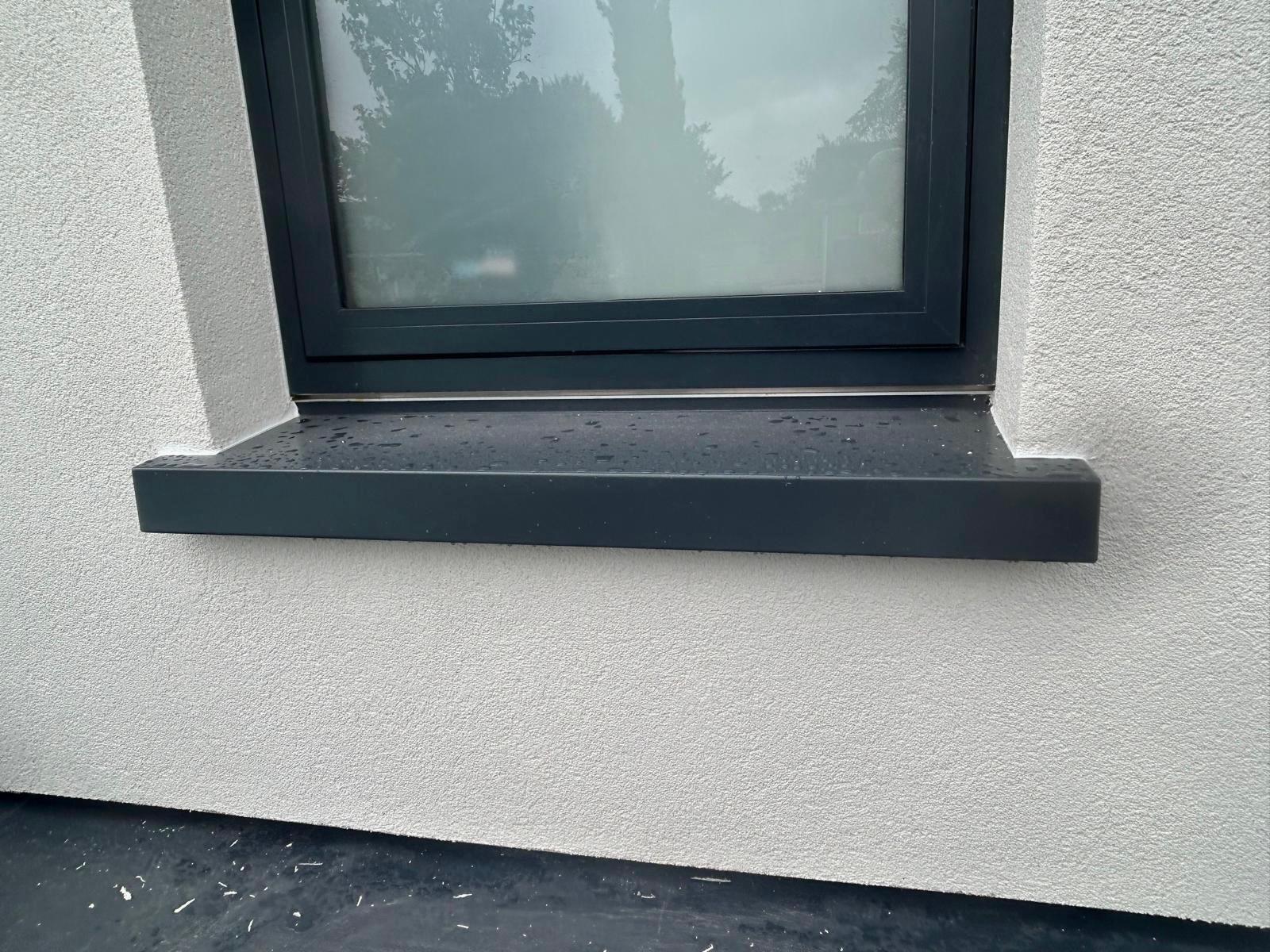
"Will black cills buckle in summer?"
It's the question we hear at least once a week. Homeowners love the sleek look of jet black (RAL 9005) or anthracite grey (RAL 7016) cills – but they're worried about horror stories of warping, bowing, and thermal damage.
Let's kill this myth with science, real-world data, and 15 years of Irish installations.
The Science of Thermal Expansion
Every material expands when heated. It's basic physics. The question isn't whether aluminium expands – it's how much.
Aluminium's Thermal Coefficient
Aluminium has a linear thermal expansion coefficient of approximately 23.1 × 10⁻⁶ per °C. That's a number, but what does it mean in practice?
For a 1-metre aluminium cill experiencing a 50°C temperature change:
So a 1-metre cill might expand by just over 1mm in extreme conditions. That's less than the thickness of a credit card.
But Wait – What About Black Surfaces?
Here's where the myth gets interesting. Black surfaces absorb more solar radiation than light colours. That's true.
Solar Absorption Rates
Colour | Solar Absorption |
|---|---|
White (RAL 9010) | ~25% |
Silver/Metallic | ~35% |
Grey (RAL 7016) | ~55% |
Black (RAL 9005) | ~95% |
Yes, black absorbs nearly four times as much solar energy as white. So black cills do get hotter.
Real Temperature Differences
In controlled testing, a black aluminium surface in direct sunlight might reach 60-70°C on a hot Irish summer day (ambient temperature ~25°C). A white surface might only reach 35-40°C.
That's a significant difference. But here's the crucial point: Irish summers aren't Arizona.
The Irish Climate Reality
Let's look at actual Irish weather data from Met Éireann:
Maximum Air Temperatures (Irish Records)
Hottest ever recorded: 33.3°C (Kilkenny Castle, June 1887)
Recent maximum: 32.0°C (Oak Park, July 2022)
Average July maximum: 18-20°C
Practical Surface Temperatures
Even with solar absorption, Irish cill temperatures rarely exceed:
Black cills: 55-65°C (extreme summer day)
Grey cills: 45-55°C
White cills: 30-40°C
Compare this to Mediterranean or Middle Eastern installations where air temperatures hit 45°C and black surfaces can exceed 80°C.
Why Irish Cills Don't Buckle
There are several factors working in our favour:
1. Marine Climate Moderation
Ireland's Atlantic climate means temperature extremes are rare. We don't get the 40°C heatwaves common in continental Europe. The sea moderates everything.
2. Cloud Cover
Let's be honest – Ireland is cloudy. Met Éireann data shows Dublin averages only 1,400 sunshine hours per year (compared to 2,600+ in southern Spain). Less direct sun means less heating.
3. Thermal Mass and Airflow
Aluminium has excellent thermal conductivity. Heat doesn't build up in one spot – it spreads across the whole cill. The underside remains cooler due to shade and air circulation, which moderates the overall temperature.
4. Engineering Tolerances
Our cills are manufactured with thermal movement in mind. The fixing method allows for micro-movement without stress. Silicone sealant at the upstand flexes rather than fights expansion.
Real-World Evidence: 15 Years of Irish Installations
We've supplied black aluminium cills across Ireland for over 15 years. Here's what we've actually seen:
Documented Failures
Total black cill failures due to thermal expansion: Zero.
Not one. We've installed RAL 9005 jet black cills on:
South-facing walls in Kerry (maximum sun exposure)
Glass-fronted extensions in Dublin
Commercial buildings in Cork
Coastal homes in Galway
No buckling. No warping. No callbacks.
The Only Colour-Related Issue We See
The only heat-related problem we encounter is touch temperature. Black cills in direct sun get hot to touch. That's not a structural issue – it's just physics.
If you have low windows where children might touch the cill, this is worth considering. But the cill itself is unaffected.
When Black Cills Might Be a Problem
Let's be fair – there are scenarios where thermal expansion matters:
1. Extremely Long Runs (3m+)
For cills over 3 metres, we recommend:
Joining with an expansion joint
Using face-fix rather than adhesive
Allowing 2-3mm clearance at ends
2. Trapped Cills
If a cill is rigidly fixed at both ends with no room to move (tight into reveals with no sealant), expansion could cause issues. Proper installation prevents this.
3. Poor Quality Aluminium
Cheap imported cills using recycled or substandard aluminium may behave unpredictably. We use 1.5mm marine-grade aluminium that meets European standards.
4. Incorrect Fixing
Adhesive-only fixing on black cills over 2m is risky. We recommend mechanical fixing with silicone for movement.
Best Practice for Black Cills in Ireland
Want black cills without worry? Follow these guidelines:
Specification
Minimum 1.5mm aluminium (our standard)
High-quality polyester powder coating (not cheap paint)
RAL-certified colour (RAL 9005 or similar)
Installation
Allow 1-2mm gap at ends for expansion
Use silicone at upstand (not rigid sealant)
Face-fix cills over 2m with mechanical fixings
Factory-fitted end caps for weather protection
Maintenance
Keep drip grooves clear of debris
Check sealant annually and reapply if cracked
Clean with soapy water (no abrasives)
Comparing Cill Materials
If you're still worried, let's compare aluminium to alternatives:
Material | Thermal Expansion | Irish Suitability |
|---|---|---|
Aluminium | 23.1 × 10⁻⁶/°C | Excellent |
uPVC | 70-80 × 10⁻⁶/°C | Good (white only) |
Steel | 12 × 10⁻⁶/°C | Good (rust risk) |
Stone | 5-10 × 10⁻⁶/°C | Excellent |
Composite | Variable | Depends on product |
Notice that uPVC expands 3× more than aluminium. Yet white uPVC cills are everywhere in Ireland without issues. Black uPVC, however, is notorious for warping – because it's softer and has higher expansion.
Aluminium is fundamentally more stable – even in black.
The Popularity of Dark Cills
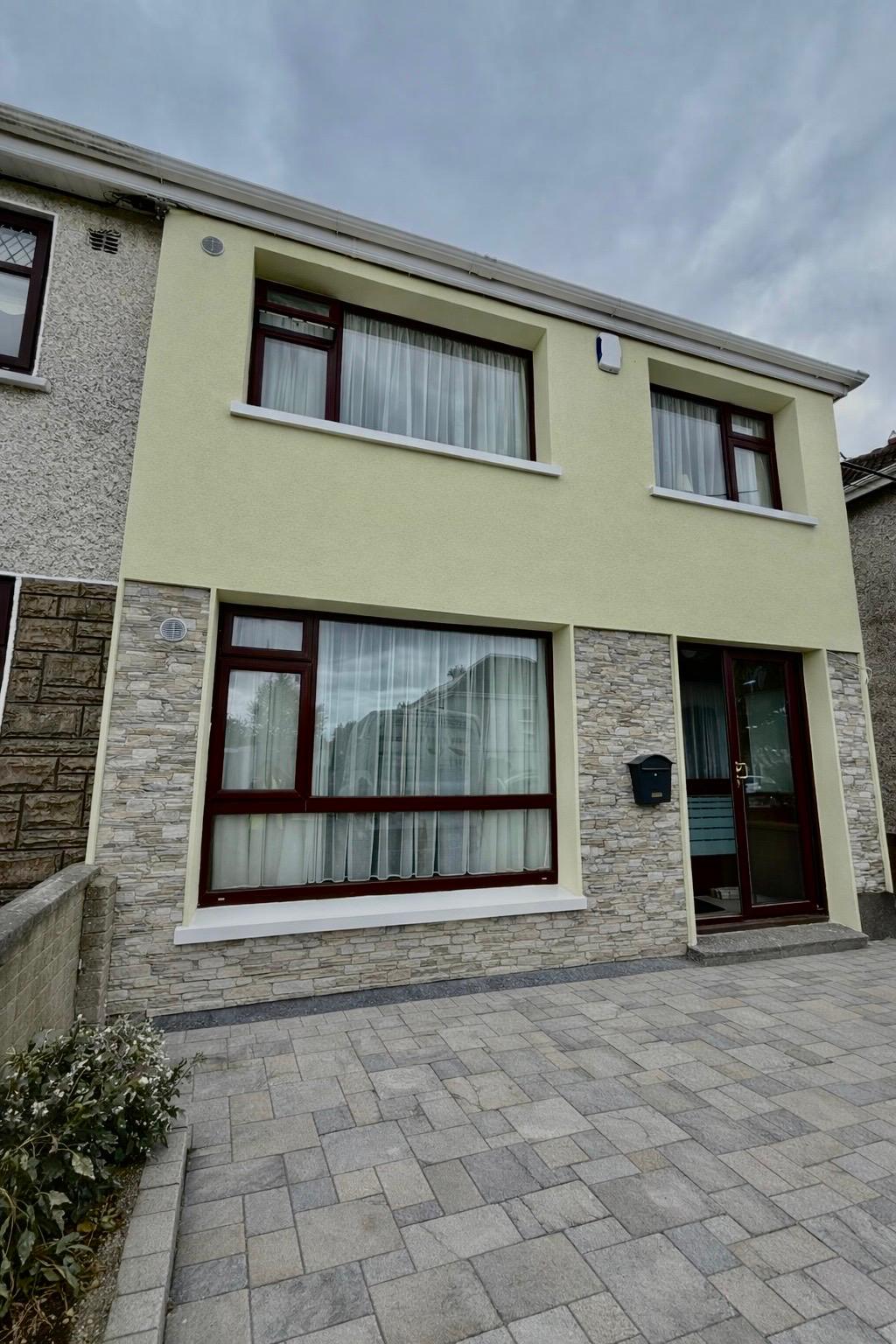
Black and dark grey cills are now the most popular choice in Ireland. Why?
Aesthetic Trends
Modern architecture favours dark window frames. Grey windows (RAL 7016) dominate the market. Matching cills complete the look.
Technical Advances
Modern powder coatings are engineered for colour stability. They don't fade or degrade like old paints. A black cill installed today will look black in 25 years.
Proven Performance
Years of trouble-free installations have built confidence. Architects and installers know dark cills work.
Answering Your Questions
Q: I've seen black cills that look wavy – why?
That's usually poor manufacturing, not thermal damage. Cheap cills pressed from thin aluminium show oil-canning (waviness) from day one. Ours are formed from 1.5mm material with proper tooling.
Q: Should I avoid south-facing black cills?
No. South-facing cills perform exactly like any other orientation in Irish conditions. The temperature difference is marginal.
Q: What about conservatories or sunrooms?
Glass-topped extensions can trap heat. We recommend slightly larger expansion gaps (2-3mm) and face-fixing. But black cills still work fine.
Q: Do you guarantee black cills?
Yes. Our standard 10-year guarantee covers all colours including RAL 9005 jet black. We're confident in the product.
Summary: Black Cills Are Fine in Ireland
Let's wrap this up:
Thermal expansion is real but tiny (1mm per metre in extreme cases)
Irish weather is mild – we don't get the heat that causes problems
15+ years of evidence proves black cills work here
Proper installation handles what little movement exists
Aluminium is more stable than uPVC in any colour
The myth persists because it sounds reasonable. But data and experience say otherwise.
Order your black cills with confidence.
Ready to Order?
Choose from jet black (RAL 9005), anthracite grey (RAL 7016), or any of 200+ RAL colours – all with the same quality and guarantee.
📱 Download the Cills app: iOS | Android
💻 Or order at: app.cills.ie
Black cills. Irish weather. No problem.
The Truth About Black Aluminium Window Cills and Heat Expansion
Real-world testing reveals the truth about black aluminium cills and heat – spoiler: Irish weather isn't the problem you think it is.
Cills Technical Team
Black Cills Myth Busted
Trusted & Used By Professionals From






Order Your First Custom Aluminium Product
Cills.ie makes it easy to measure, customise, and order aluminium cills, flashings, trims, and cappings & more. All online, with engineer support included.